
Over time, teeth can be affected by decay, wear, trauma or cosmetic damage. This can impair both oral function and the appearance of your smile.
Restorative dentistry aims to repair such damaged teeth and give them a healthy look, both functionally and aesthetically.
At his clinic in Istanbul, Prof. Dr. Cemal Yeşilyurt performs restorative treatments with modern materials and digital methods to achieve results as close as possible to natural teeth.
Restorative dentistry is the repair of structural or cosmetic tooth damage using special filling materials and techniques. The goal is not only to treat decay but also to restore the tooth's natural shape, color and function.
This field brings together the aesthetic and preventive sides of dentistry.
These treatments preserve natural tooth structure and support long-term oral health.
Fillings made with tooth-colored materials. They are the most commonly used option for repairing small and medium-sized cavities.
For larger losses of tooth structure, ceramic or composite fillings made in a dental laboratory are used. They are durable and look very similar to natural teeth.
Bonding or micro-filling applications restore the shape and symmetry of the teeth.
Restorations made with porcelain materials for teeth with extensive structural loss or cosmetic concerns.
The extent of the damage and the patient's aesthetic expectations are assessed, and treatment is planned with digital measurements.
Decayed tissue is removed and the tooth surface is prepared for the restoration.
The chosen material (composite, ceramic, etc.) is applied to the tooth and either hardened with a special curing light or bonded in place after the laboratory stage.
The surface is smoothed and shaped to match the natural form of the tooth, and the bite is checked.
Prof. Dr. Cemal Yeşilyurt gives each patient personalized oral care advice after treatment to help the restoration last as long as possible.
Restorative dentistry focuses on functional repair, while aesthetic dentistry focuses more on visual harmony. The two fields complement each other: a healthy tooth structure is the foundation of a beautiful smile.
Restorative dentistry protects your dental health while perfecting the appearance of your teeth. With the right choice of materials, digital planning and expert treatment, natural tooth structure is preserved as much as possible.
At his clinic in Istanbul, Prof. Dr. Cemal Yeşilyurt provides restorative treatments to international standards, giving his patients smiles that are both healthy and beautiful.
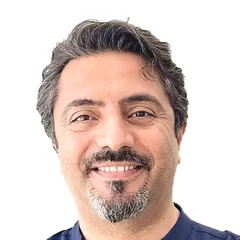
WRITTEN AND REVIEWED BY
Associate Professor (2010) and Professor (2015) of Restorative Dentistry and Endodontics, with numerous publications in international journals. He personally treats patients at his clinic in Ataşehir, Istanbul.
Last updated: October 2026 · Academic profile · Google Scholar